Gather the Daughters Critical Review

Gather the Daughters by Jennie Melamed follows the lives of four female protagonists – the ‘daughters’ who live on an island, supposedly kept safe from the ‘wasteland’ of the mainland, where a ‘scourge’ has punished the world. The text has strong similarities to Margaret Atwood’s The Handmaid’s Tale – the society follows Our Book, which specifies rules of the society, mostly created to silence and sanction women. They are called the ‘Shalt-Nots’ and consist of ‘thou shalt not touch a daughter who has bled until she enters her summer of fruition’; ‘thou shalt not allow a wife to stray in thought, deed or body’; ‘thou shalt not allow women who are not sister, daughter, or mother to gather without a man to guide them all.’ (20) Unlike Atwood’s tale, though, we’re given barely any information regarding life beyond the island, all being revealed only through the questioning child protagonists. The ‘wanderers’ – the men who hold the highest rank in the community – visit the wastelands across the water regularly, telling tales of a ‘world of fire’, but as the narrative progresses both the reader and the girls have reason to become increasingly distrustful of this. ‘Narrative tension builds as skilful characterisation fills the reader with growing concern for the central voices.’ (Moss, 2017)

As Nick Hubble says, ‘there is discussion as to what is science-fiction about this novel. On the one hand, it looks and feels just like a post-apocalyptic dystopia, but on the other hand, as the reveal at the novel’s end makes clear, it is no such thing.’ (2018) Melamed’s text raises many questions prevalent to the genre of SF – mainly, what is SF? Can it truly be defined? This is emphasised, I think, by Melamed’s almost conscious changing of genre towards the end of the novel. After leading the characters, and hence the readers, towards the belief that this is a dystopian society, we realise it is not. The society is in fact a religious cult, the likes of which perhaps exists in our real world today. This blindness to the truth is something the protagonists in the novel deal with continuously, and as readers, we know only what the young girls know. There is that unavoidable innocence of childhood to believe one’s parents, no matter if common sense points elsewhere – and this is reflected in Vanessa, particularly. ‘Vanessa wonders, as she always does…’ (20) She is the smartest of the island girls, always trying to delve information from the adults about the outside world: ‘The waste – now you know I can’t tell you anything’ Mrs Adams tells her, to which she replies – ‘It can be a secret.’ (155) Despite this, she is the only character who does not join the girls in their rebellion on the beach. She wants, above all, to believe her father is good, even though he is part of the problem, the gang of ‘wanderers’, and rapes her repeatedly. ‘Who is my little wife?’ asks Father in a sweet tone. ‘I am,’ whispers Vanessa. (211) There is a strange, jarring tenderness to this exchange that feels intrinsically wrong to the reader but suggests that the author is attempting to redeem the father. He is consistently portrayed as a better person that the other fathers – but this clashes with the actions he commits. The depth in which Melamed raises questions about horrifyingly real issues rejects the post-apocalyptic story arc and directs us, as readers, back to the intricacies of our own world.

Further to this, just like in The Handmaid’s Tale, the women live in a society which is attempting, at all turns, to silence them. ‘Their behaviour and values are circumscribed.’ (Jones, 1991) And as de Beauvoir writes, women are ‘defined and differentiated with reference to man and not he with reference to her; she is the incidental, the inessential as opposed to the essential. He is the subject, he is the Absolute – she is the Other’, and, ‘subjected to doom.’ (1949)  This ‘doom’ is prevalent throughout Melamed’s text: when Janey is whipped for speaking out, Rosie is murdered to protect her, Caitlyn is abused by her father, even more so that the other girls, with no interference from knowing outsiders, and the ongoing fear that perpetrates their daily lives. The author’s gender influences in her own world very consciously affect the work, which is typical of dystopian authors and their subjects: using fantasy to analyse the real. ‘My professor discussed a South Pacific society where fathers were expected to have intercourse with their daughters, to ‘prepare them for their husbands.’ (Melamed, 2017) Despite what Eskeridge writes: ‘I despise conscious theme. It subverts story.’ (Mendelsohn, 2012), the author’s intention to write a novel discussing such prevalent fears and themes – overpopulation, sexual abuse and reproductive rights – are explored in much the same way as her predecessors within the genre of dystopian SF. ‘The central features of dystopia are ever-present – the oppression of the majority by the ruling elite.’ (Clute, 2018)

As previously discussed, there is no clear redemption in this novel. We do not learn whether Vanessa reaches safety, and her father does not leave because he was remorseful about having intercourse with his daughter; he leaves because he is afraid something might happen to her. It goes not excuse or forgive the abuse, but it leaves the reader wondering what the point in all the horror was, if not to reach a resolution. Was it just to comment on the depravation that mankind are capable of? ‘At what point does the depiction of such suffering tip into a pornography of violence?’ (Ditum, 2018) Is there such thing as too much horror in feminist dystopia, and, are we numbing ourselves to the violence against women in these texts? As Sarah Hall writes, there is still a ‘fresh urgency’ to feminist dystopian fiction that feeds a growing thirst for a world that is better than our own. (Thorpe, 2017) Reflecting on past horrors and using a science fiction narrative to do so is an extremely effective way to portray the point.

In summary, I would recommend the novel for an Arthur C Clarke award. Although there are many questions raised in the text that remain unanswered, and the ending is ambiguous, leaving the question open as to whether this novel really is an SF dystopia, Kingsley Amis argues that ‘the dystopian tradition is the most important strand in the tapestry of modern SF.’ (1960) In my opinion, Gather the Daughters is a poignant science-fiction text that cleverly symbolises women’s struggles and their experiences of ‘Other-ness’ in society, bringing to light the horrors of events happening in our real world – something that I believe all science fiction should do. As feminist dystopia, it successfully gives the reader pause to think, and, rightfully, be horrified.

Bibliography

Alderman, Naomi. 2017. Dystopian dreams: how feminist science fiction predicted the future. [Online] Available at: https://www.theguardian.com/books/2017/mar/25/dystopian-dreams-how-feminist-science-fiction-predicted-the-future [Last accessed: 27th August 2018]

Amis, Kingsley. 1960. New Maps of Hell. Penguin, UK.

Anders, Charlie Jane. 2010. How many definitions of science fiction are there? [Online] Available at: https://io9.gizmodo.com/5622186/how-many-defintions-of-science-fiction-are-there [Last accessed: 27th August 2018]

Atwood, Margaret. 1985. The Handmaid’s Tale. O.W. Toad Limited.

Booker, Keith M. and Thomas, Anne-Marie. 2009. The Science Fiction Handbook. John Wiley & Sons.

Claeys, Gregory. 2010. The Cambridge Companion to Utopian Literature. Cambridge University Press.

Clute, John and Nicholls, Peter. 1999. The Encyclopedia of Science Fiction. London: Orbit.

de Beauvoir, Simone. 1949. The Second Sex. Vintage, London.

Delaney, Samuel R. and Cheney, Matthew. 2011. The Jewel-Hinged Jaw: Notes on the Language of Science Fiction. Wesleyan University Press

Ditum, Sarah. 2018. Never-ending nightmare: why feminist dystopias must stop torturing women. [Online] Available at: https://www.theguardian.com/books/2018/may/12/why-the-handmaids-tale-marks-a-new-chapter-in-feminist-dystopias [Last accessed: 26th August 2018]

Gailey, Sarah. 2016. Do Better: Sexual Violence in SFF. [Online] Available at: https://www.tor.com/2016/08/22/do-better-sexual-violence-in-sff/ [Last accessed: 27th August 2018]

Gunn, James and Candelaria, Matthew. 2014. Speculations on Speculation. [Online] Available at: http://www.sfcenter.ku.edu/Speculations.htm [Last accessed: 27th August 2018]

Hubble, Nick. 2018. Panel Review: Gather the Daughters by Jennie Melamed. [Online] https://csff-anglia.co.uk/clarke-shadow-jury/shadow-jury-2018/panel-review-gather-the-daughters-by-jennie-melamed/ [Last accessed: 24th August 2018]

Jarvis, Claire. 2017. The Latest, Troubling Chapter in Feminist Dystopian Fiction. [Online] Available at: https://www.nytimes.com/2017/10/13/books/review/gather-the-daughters-jennie-melamed.html  [Last accessed: 26th August 2018]

Jones, Libby Falk. 1991. Breaking Silences In Feminist Dystopias in Utopian Studies, No. 3. pp. 7 – 11. Penn State University Press.

Little, Judith A. 2007. Feminist philosophy and science fiction: utopias and dystopias. Prometheus Books.

Melamed, Jennie. 2017. Gather the Daughters. Tinder Press, London.

Melamed, Jennie. 2017. Exploring a Cultish Culture: the behind-the-book story of Gather the Daughters. [Online]Available at: https://medium.com/galleys/exploring-a-cultish-culture-the-behind-the-book-story-of-gather-the-daughters-by-jennie-melamed-a83c0540eaa9 [Last accessed: 27th August 2018]

Mendlesohn, Farah. 2012. The Cambridge Companion to Fantasy Literature. Cambridge University Press.

Merrick, Helen and Williams, Tess. 1999. Women of Other Worlds: Excursions Through Science Fiction and Feminism. University of Western Australia Press.

Michaud, Jon. 2017. A Haunting Story of Sexual Assault and Climate Catastrophe, Decades Ahead of Its Time. [Online] Available at: https://www.newyorker.com/books/second-read/a-haunting-story-of-sexual-assault-and-climate-catastrophe-decades-ahead-of-its-time [Last accessed: 27th August 2018]

Moss, Sarah. 2017. Gather the Daughters by Jennie Melamed review – a misogynist dystopia. [Online] Available at: http://www.sf-encyclopedia.com/entry/dystopias [Last accessed: 27th August 2018]

Moylan, Tom. 2003. Dark Horizons: Science Fiction and the Dystopian Imagination. Routledge.

Penley, Constance. 1991. Close Encounters: Film, Feminism, and Science Fiction. University of Minnesota Press.

Thorpe, Vanessa. 2017. What lies beneath the brave new world of feminist dystopian sci-fi? [Online] Available at: https://www.theguardian.com/books/2017/jun/24/feminist-dystopian-sci-fi-naomi-alderman-handmaids-tale [Last accessed: 22nd August 2018]

2018. The Encyclopedia of Science Fiction. [Online] http://www.sf-encyclopedia.com/entry/dystopias [Last accessed: 24th August 2018]

Outlander: Book One Review

Gabaldon_outlanderThe year is 1945. Claire Randall, a former combat nurse, is just back from the war and reunited with her husband on a second honeymoon when she walks through a standing stone in one of the ancient circles that dot the British Isles. Suddenly she is a Sassenach—an “outlander”—in a Scotland torn by war and raiding border clans in the year of Our Lord… 1743.
Hurled back in time by forces she cannot understand, Claire is catapulted into the intrigues of lairds and spies that may threaten her life, and shatter her heart. For here James Fraser, a gallant young Scots warrior, shows her a love so absolute that Claire becomes a woman torn between fidelity and desire—and between two vastly different men in two irreconcilable lives.

“Oh, aye, Sassenach. I am your master . . . and you’re mine. Seems I canna possess your soul without losing my own.”

Outlander is a beautifully complex and mesmerizing story with multi-layered characters, authentic settings and dramatic, unexpected and all-encompassing storylines. It’s the kind of book that you will live through alongside the main characters – you will feel Claire’s bewilderment and fear, her gutsy determination, her love and heartbreak and you will feel as though you are standing alongside her in every aspect of her life. The historical context is so accurate it is amazing!

For a while now, people kept recommending Outlander to me, but I avoided the books because, for one, the sheer size of the series daunted me, and two, I was put off by the time travel aspect (ironic, since I love Doctor Who!) But, I often find that time-travel literature can be cheesy and too unrealistic to be believable.

However, now I have finally read Outlander, I can confidently say that it is the most original historical romance I have ever, ever read. It was way more involved that the typical man meets woman trope, and it was so historically accurate and vivid I felt myself completely submerged in the world of the Scottish Highlands, 1743, for the whole two weeks I was reading it.

Claire is a World War II combat nurse who accidentally wanders through an ancient stone circle in Inverness whilst on a post-war honeymoon with her husband, Frank, in 1945. She suddenly finds herself in the 18th Century. Even in this, she is brilliant – sarky, intelligent, with a quick wit and a quick tongue to match. She’s compassionate, competent, a kick-ass nurse and an independent woman who doesn’t let the abrupt, seemingly-impossible change to her timeline phase her. She’s a refreshing change from the princess-type heroines of a lot of historical fiction.

Jamie Fraser, the Scottish Clansman who slowly becomes the love of her life, is at times sweet and heart-stoppingly romantic, and others an extremely dangerous and passionate warrior. He is one of the most charismatic and appealing male leads I’ve read in a long, long time. And every time he calls Claire a Sassenach… God. I go weak at the knees! Understandably, however, readers are completely divided over Jamie because, although he is gorgeous and lovable for the majority of the novel, there is one extremely disturbing scene that enrages any 21st-Century reader, including myself. As upsetting as the scene was (I won’t mention it due to spoilers, but it deals with domestic abuse) it was very accurate to the times and the way that a man would have treated his wife in that period. Although it doesn’t excuse it, I was able to forgive and get past it and still fall in love with Jamie, just as Claire does, as I could view it within its historical context. There are quite a few sexually abusive scenes in the novel, which, although they do not subtract from the overall enjoyment of the story, they are quite hard to get through.

Regardless of this, what is so brilliant about Gabaldon’s characters and the world she has created is that they are delightfully multi-dimensional, and extremely complex, just as real people and real life can be. Claire somehow finds the courage to made difficult choices in a period of history when choices were often non-existent for women. She is stubborn and determined almost to a fault, and she has a passion and unending support for Jamie that matches his own for her perfectly. Jamie, on the outside, is tough and warrior-like, while on the inside, he is kind and sensitive, with excellent intuition and a backstory full of pain and suffering. He is also intelligent, self-depreciating and almost poetic in the things he says to Claire.

“When I asked my da how ye knew which was the right woman, he told me when the time came, I’d have no doubt. And I didn’t. When I woke in the dark under that tree on the road to Leoch, with you sitting on my chest, cursing me for bleeding to death, I said to myself, ‘Jamie Fraser, for all ye canna see what she looks like, and for all she weighs as much as a good draft horse, this is the woman'”

Their romance is probably my favourite part of the novel – there is true honesty between them, which brings an openness and vulnerability to both of the characters which is such a beautiful addition to the story. I love the way that the author creates a strong friendship between them before they become lovers, and then lets this friendship continue to grow deeper even after they are married. The intimacy level of these two characters is perfectly depicted, and the best that I have read in a novel for a long time, and not just because of the sex.

Outlander was so meticulously researched and Gabaldon manages to weave all the historical accuracies into the plot without destroying the authenticity of the emotional journey. At its heart, Outlander is a historical novel that is packed full of details of 18th Century life in the Scottish Highlands, and as well as recounting events leading up to the Jacobite rising of 1745, the character’s lives are deeply delved in to and an extraordinary picture is painted that truly transports you to another time and place.

There is adventure, history, fantasy, romance, violence and drama. Outlander is a book that literally sucks you into its pages. It is a fully immersive experience that is so engrossing, you find it almost impossible to put it down.

Capture

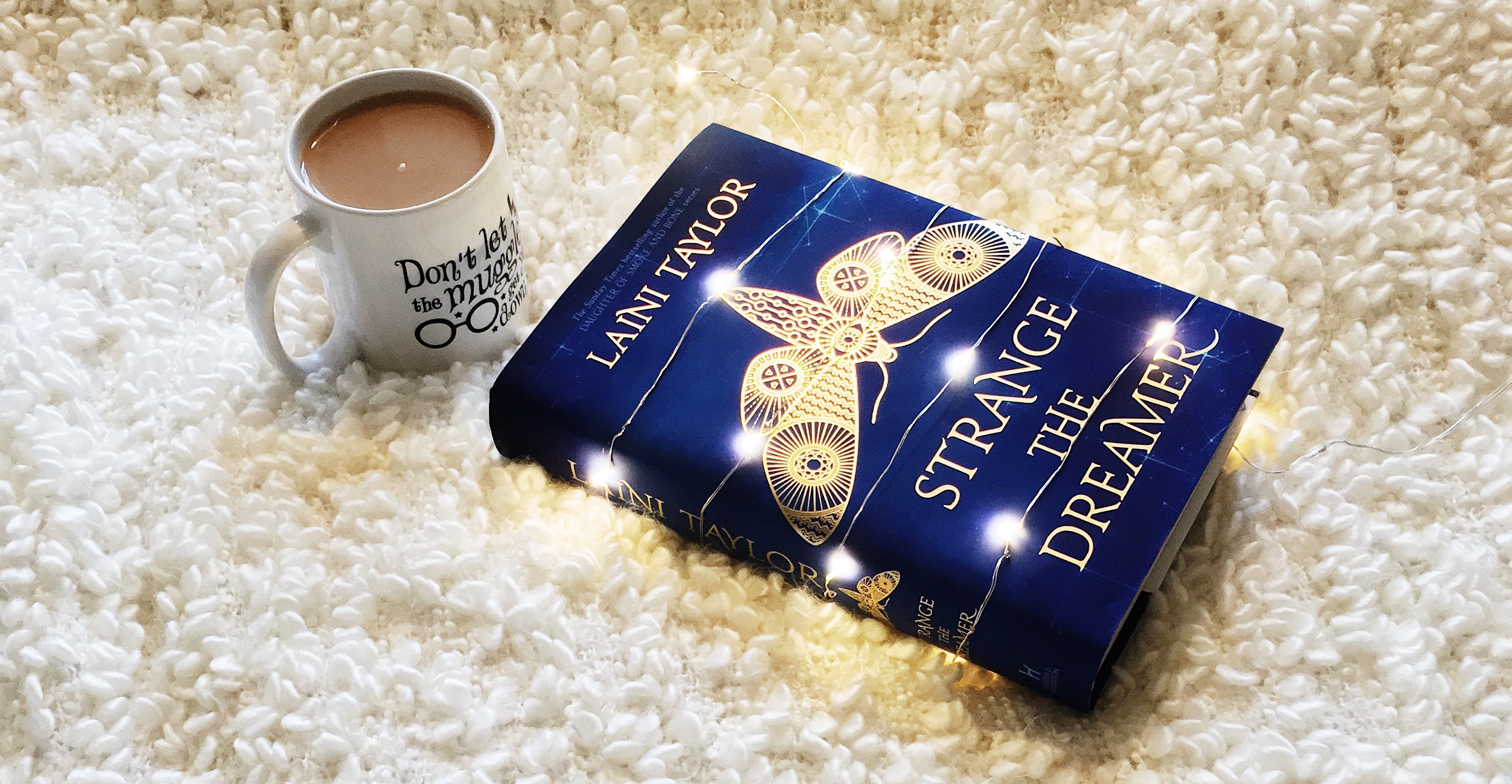
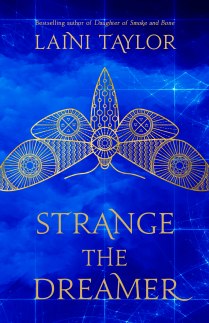
Book Review – Strange the Dreamer

Processed with VSCO with s2 preset

The dream chooses the dreamer, not the other way around— and Lazlo Strange, war new-release-date-2orphan and junior librarian, has always feared that his dream chose poorly. Since he was five years old he’s been obsessed with the mythic lost city of Weep, but it would take someone bolder than he to cross half the world in search of it. Then a stunning opportunity presents itself, in the person of a hero called the Godslayer and a band of legendary warriors, and he has to seize his chance to lose his dream forever.
What happened in Weep two hundred years ago to cut it off from the rest of the world? What exactly did the Godslayer slay that went by the name of god? And what is the mysterious problem he now seeks help in solving?
The answers await in Weep, but so do more mysteries—including the blue-skinned goddess who appears in Lazlo’s dreams. How did he dream her before he knew she existed? and if all the gods are dead, why does she seem so real?

This book was heartbreaking and mystical and catastrophic and shattering and beautiful. It was the perfect fantasy novel. Laini Taylor’s world building is so tangible – God, I wanted Weep to be real. I wanted to walk through the halls of Lazlo’s library, and ride on horseback alongside Eril-Fane, and meet a blue-skinned goddess like Sarai. Laini Taylor’s ability to create magical, fantastical storylines is just breath taking. The world, the language, the characters… everything about this tale captivated me. The ending has broken me, in all the right ways. I need more of God-slaying Eril-Fane and assassins who are acrobats and armies of moths and a strange dreamer who reaches for his impossible dream, and grabs it with both hands…

Strange the Dreamer starts with Lazlo Strange – an orphan, a book lover, a dreamer, who has always been ostracized for being different, and has grown up constantly dreaming of the Unseen City. He is such a realistic, yet whimsical and loveable character; the perfect protagonist, and you empathise with him almost instantly. He immerses himself in his books, and lives amongst their pages, researching and learning every single thing there is to know about the Unseen City, Weep.

When Lazlo was a young boy, the name of the lost, unseen city was stolen from everyone’s minds. Not a soul could remember it’s name; the only word left in it’s place was Weep. Of course, if you dream hard enough, your wildest imaginings can come true, and the story truly sets sail once Lazlo is given the opportunity to adventure into the far reaches of every dream he has ever had, and find out the truth behind Weep and it’s inhabitants.

‘He read while he walked. He read while he ate. The other librarians suspected he somehow read while he slept, or perhaps didn’t sleep at all.’

Not only does Laini Taylor create feeling, beautiful, wholesome characters who make you feel like you are living their adventures with them, she also proves her place as the ultimate wordsmith of YA. The writing style of Strange the Dreamer seems to eclipse all her previous books: it is lyrical, tangible, poetic, almost to the point of too much. It hits that perfect sweet spot, without going overboard, and the imagery and pure imagination takes your breath away with every turn of the page. The very sentences themselves feel dreamlike and mystical – almost tricking you into believing you truly have been transported to another world.

Hidden within these pages we have never-ending libraries, mysterious journeys, hidden cities, ghosts and moths and goddesses with blue skin; mythical armies, warriors and God-slayers, star-crossed lovers and magic, nightmares, demons and salvation… In Weep, Laini has created a mystical world that leaps off the page and embeds itself into your very being. It is an addictive, descriptive, all-encompassing creation of a place that demands to be remembered, even after the book is closed. In Lazlo, Sarai, and Eril-Fane, you also meet characters with secrets, demons, dreams, and hearts filled with the capacity to love. Everything about the plot, these characters and their world is truly unique and so perfectly crafted.

The most prominent message I took from the story centers around race and how we, in a world currently ridden with racism and fear-mongering, detrimentally blame individuals of a certain skin colour for bad things that other people of that same skin colour have done; about how unaccepting the world is, as a society, of people who look different from ourselves. There is also a focus on the history of humankind and how younger generations are wrongly blamed for their ancestors mistakes. But this tale teaches us that we are not our ancestors, we are not our parents, and we should always strive to do better than the history behind us.

‘Sarai was seventeen years old, a goddess and a girl. Half her blood was human, but it counted for nothing. She was blue. She was godspawn. She was anathema. She was young. She was lovely. She was afraid.’

At it’s basest, Strange the Dreamer is also just about an orphaned underdog and a feared, blue-skinned girl who both just want the chance to be so much more. They speak to the hearts of all the dreamers, the bookworms, the misunderstood and the hard-done-by, and tell us that magic and dreams really can come true. Monsters, gods, hidden cities and armies of moths notwithstanding…

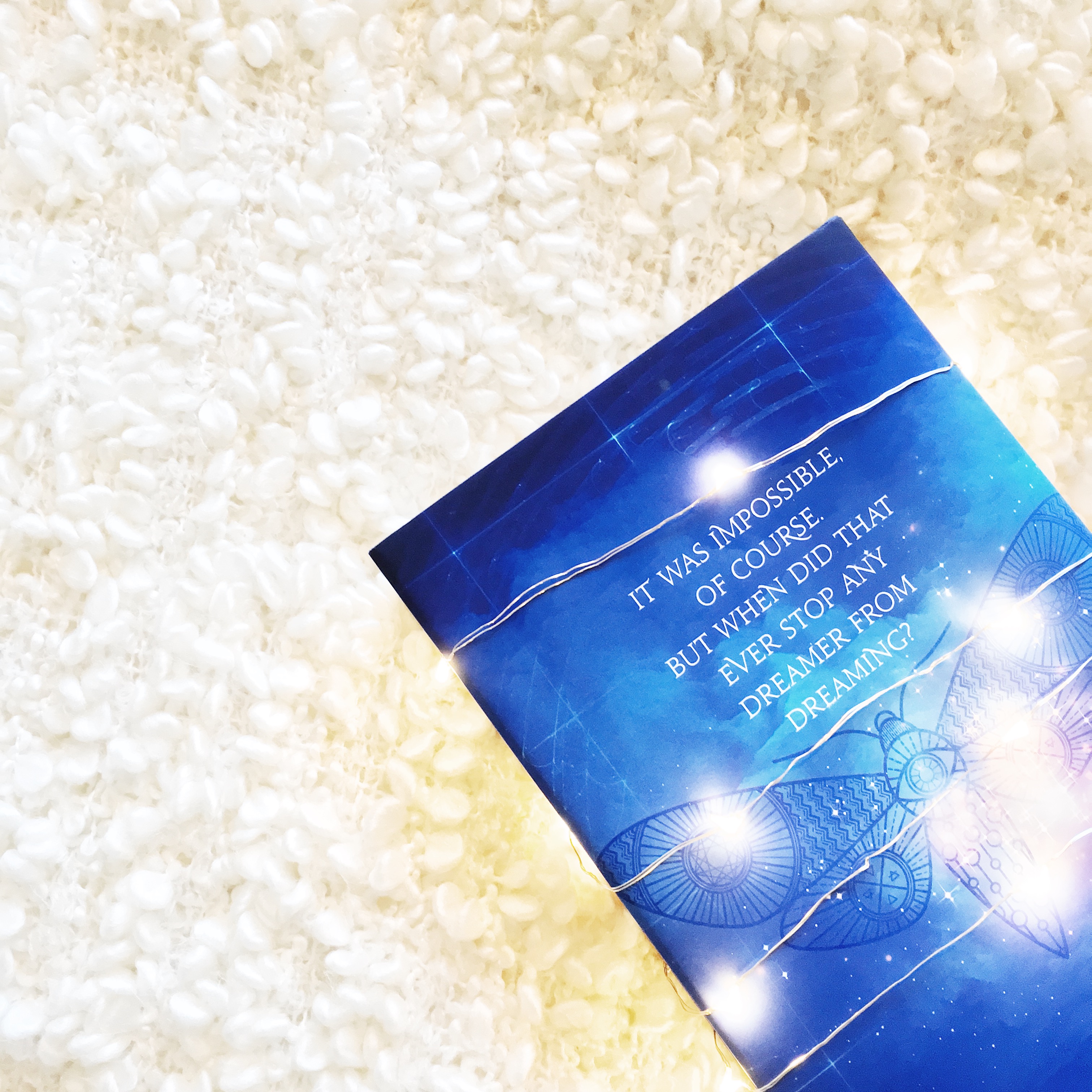
‘It was impossible, of course. But when did that ever stop any dreamer from dreaming?’

Processed with VSCO with s2 preset

My Holiday Reads – Mini Reviews

I have spent the last two weeks travelling the beautiful Croatian coastline with my husband, and although we spent most of the time exploring, I still managed to fit in quite a few good books! A holiday isn’t a holiday if I don’t get through at least three!

9781447250944the-museThe Muse by Jessie Burton

blue5 (2)

A picture hides a thousand words . . .

On a hot July day in 1967, Odelle Bastien climbs the stone steps of the Skelton gallery in London, knowing that her life is about to change forever. Having struggled to find her place in the city since she arrived from Trinidad five years ago, she has been offered a job as a typist under the tutelage of the glamorous and enigmatic Marjorie Quick. But though Quick takes Odelle into her confidence, and unlocks a potential she didn’t know she had, she remains a mystery – no more so than when a lost masterpiece with a secret history is delivered to the gallery.

The truth about the painting lies in 1936 and a large house in rural Spain, where Olive Schloss, the daughter of a renowned art dealer, is harbouring ambitions of her own. Into this fragile paradise come artist and revolutionary Isaac Robles and his half-sister Teresa, who immediately insinuate themselves into the Schloss family, with explosive and devastating consequences . . .

The Muse was the best book I have read in ages, and definitely my favourite book of the holiday! It transported me to another era, another place, another lifetime – Jessie Burton achieved what she always achieves. She is an excellent historical fiction writer and her prose is lyrical, beautiful and evocative. She adds miniscule details to things in a way that no other author does. I loved The Muse a lot more than The Miniaturist, which I did enjoy, but struggled with at times. The Muse was never boring, the characters had great depth, the dual timelines worked perfectly (which isn’t always the case!) and the storyline was incredibly intriguing and left you guessing until the last page. Nothing was predictable, but it was exhilarating, imaginative, and completely transported you to another time and place. The scene setting of Spain in 1936 and London in 1967 was what I enjoyed most about the story. It is a tale of love, lust, betrayal and danger, and the parallel settings and easy narrative voice help to draw you in spectacularly. I am so excited to see where Jessie Burton goes next – she has yet to disappoint me!

9781447266945carry-onCarry On by Rainbow Rowell

blue5 (2)

Simon Snow just wants to relax and savor his last year at the Watford School of Magicks, but no one will let him. His girlfriend broke up with him, his best friend is a pest, and his mentor keeps trying to hide him away in the mountains where maybe he’ll be safe. Simon can’t even enjoy the fact that his roommate and longtime nemesis is missing, because he can’t stop worrying about the evil git. Plus there are ghosts. And vampires. And actual evil things trying to shut Simon down. When you’re the most powerful magician the world has ever known, you never get to relax and savor anything.

Carry On is a ghost story, a love story, a mystery and a melodrama. It has just as much kissing and talking as you’d expect from a Rainbow Rowell story — but far, far more monsters.

This was a book that I had had on my TBR shelf for a very long time, but was always hesitant to start it. It is an extension of the fanfiction that Cath writes in Fangirl, the novel by Rainbow Rowell. It is clear from Fangirl, and from the minute you start reading Carry On, that it is hugely based off Harry Potter. It is completely undeniable, and that definitely bugged me a bit to begin with. But, as the story continued, I started to fall in love with the characters, with Simon Snow, with Bas, with their chemistry and humour and romance. I also started to remember, hey, I love every damn thing that Rainbow Rowell writes! It was everything you expect from her writing, but funnier, sillier and more magical. Some of the spells made me literally laugh out loud they were so ludicrous – but that was definitely the point. The romance was excellent too – Rainbow is undeniably genius at writing flirtatious scenes, they almost made me squeal with happiness. My heart nearly burst out my chest when I read this:

“I let myself slip away… Just to stay sane. Just to get through it. And when I felt myself slipping too far, I held on to the one thing I’m always sure of – Blue eyes. Bronze curls. The fact that Simon Snow is the most powerful magician alive. That nothing can hurt him, not even me. That Simon Snow is alive. And I’m hopelessly in love with him.”

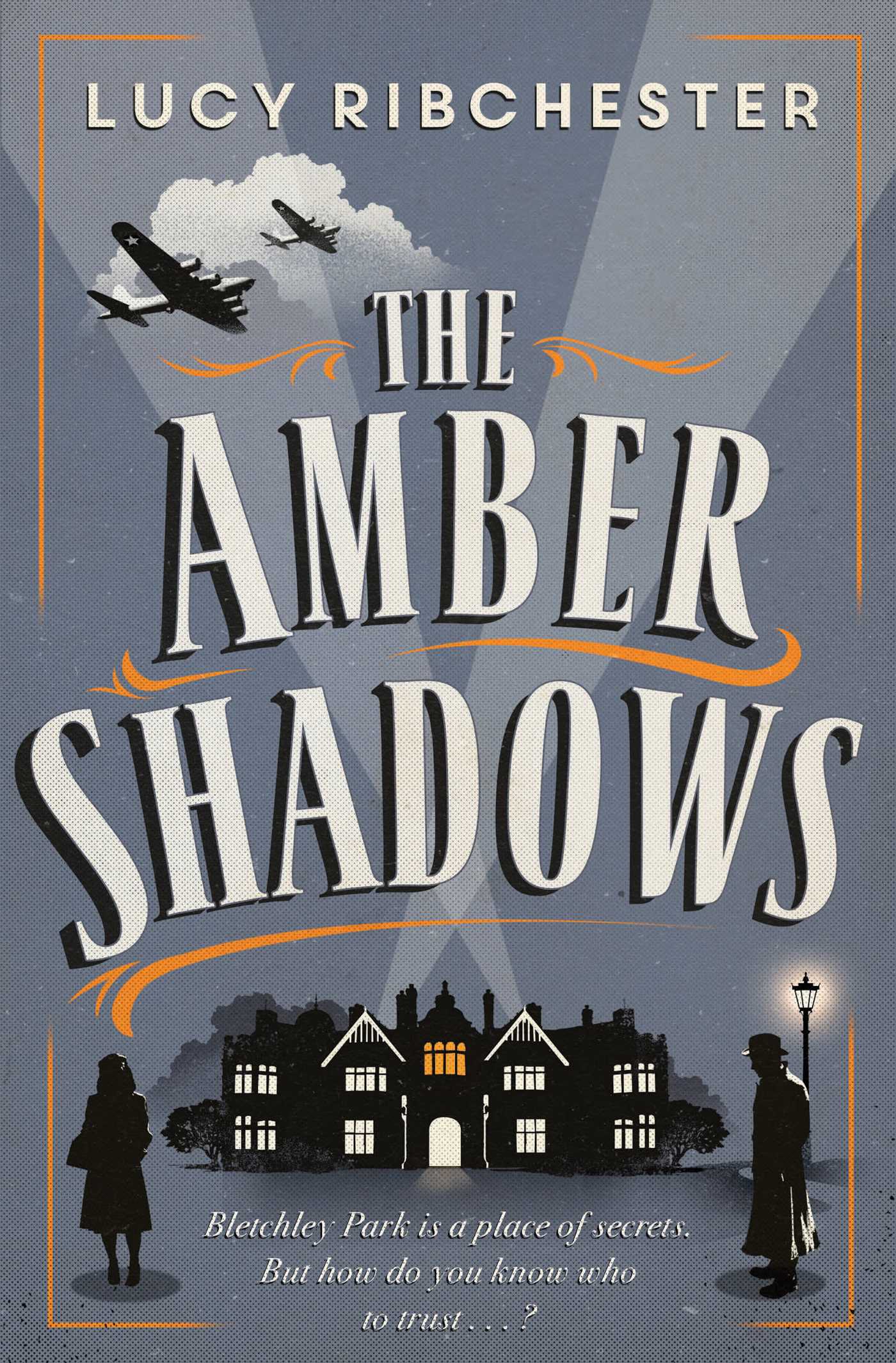
the-amber-shadows-9781471139284_hrThe Amber Shadows by Lucy Ribchester

four stars

Bletchley Park typist Honey Deschamps spends her days at a type-x machine in Hut 6, transcribing the decrypted signals from the German Army, doing her bit to help the British war effort.
Halfway across the world Hitler’s armies are marching into Leningrad, leaving a trail of destruction and pillaging the country’s most treasured artworks, including the famous Amber Room – the eighth wonder of the world.
As reports begin filtering through about the stolen amber loot, Honey receives a package, addressed to her, carried by a man she has never seen before. He claims his name is Felix Plaidstow and that he works in Hut 3. The package is postmarked from Russia, branded with two censors’ stamps. Inside is a small flat piece of amber, and it is just the first of several parcels.
Caught between fearing the packages are a trap set by the authorities to test her loyalty or a desperate cry for help, Honey turns to the handsome enigmatic Felix Plaidstow. But then her brother is found beaten to death in nearby woods and suddenly danger is all around… 

In true Lucy Ribchester style, this book had all the mystery and suspense of her debut novel The Hourglass Factory, with a little bit of romance and wartime setting added in. I really enjoyed this story – I am kind of obsessed with the World War 2 era, so it was great to read another tale about it. It was also interesting to read about enigma code and decrypting from another viewpoint! The suspense building was excellent and Honey as a protagonist was really easy to read and likeable. I would recommend this novel to anyone who loves a bit of mystery and history! Four stars couldn’t be stretched to five unfortunately, as I found the story to lack factual credibility a little too often, as with Ribchester’s previous novel. But for what it was, it was certainly a good read!

9781442408920_custom-ab1ee04526644c3ae958cba37007c84d709a2fb1-s6-c30Aristotle and Dante Discover the Secrets of the Universe by Benjamin Alire Sáenz
blue5 (2)

Aristotle is an angry teen with a brother in prison. Dante is a know-it-all who has an unusual way of looking at the world. When the two meet at the swimming pool, they seem to have nothing in common. But as the loners start spending time together, they discover that they share a special friendship—the kind that changes lives and lasts a lifetime. And it is through this friendship that Ari and Dante will learn the most important truths about themselves and the kind of people they want to be.

This is a story about a boy who is angry and sad and confused and can’t ever figure out why. It is a story about a boy discovering who he really is. It is a story about a boy learning how to fall in love with the world for the very first time. I loved everything about this book. I had finished it within a few hours of starting it, without truly realising how beautiful it was, how warm it made me feel. Aristotle was so relatable to me when I think back to how I often felt as a teenager, and the way that Benjamin writes is just out of this world mellow, beautiful, touching and life-affirming. There isn’t really much of a plot to this story, but in a way this is what makes it so successful – it’s beauty is in the author’s ability to depict everyday events and unnoticed emotions and the catastrophic feelings of a seventeen year old boy. This book made me cry, and think, and feel at one with the world. This was a beautiful story about love, identity and family, and I think everyone should read it!

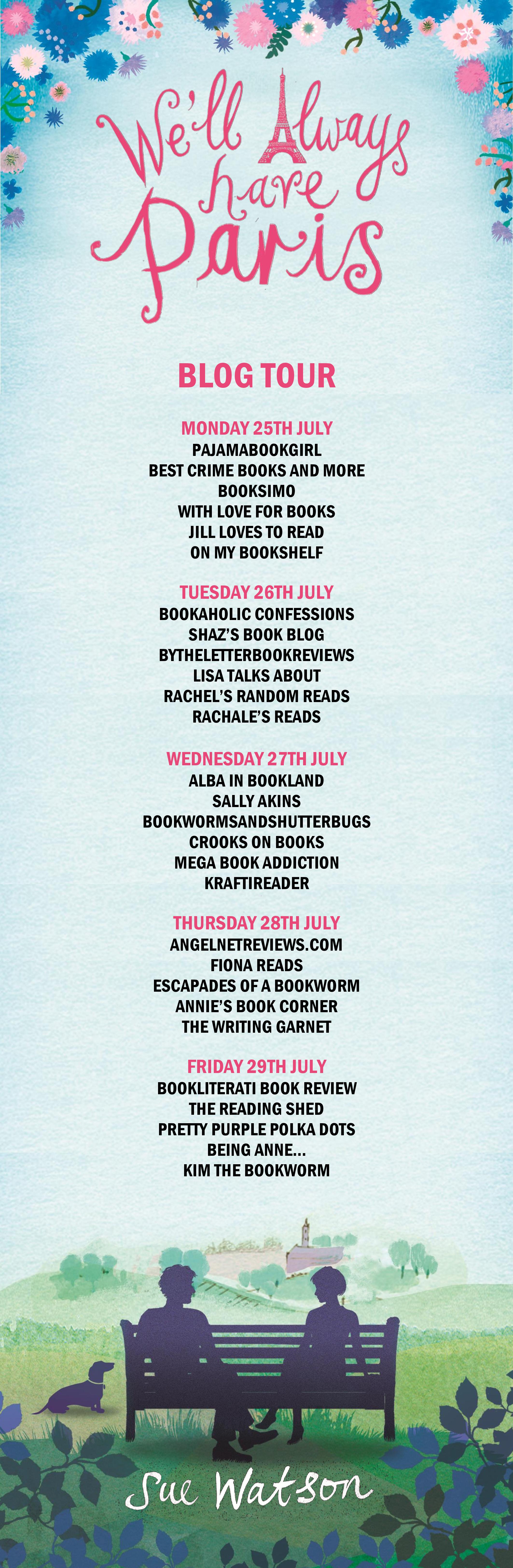
Book Review – We’ll Always Have Paris – Blog Tour!

9780751564570

When she was almost seventeen, Rosie Draper locked eyes with a charismatic student called Peter during their first week at art college, changing the course of her life forever. Now, on the cusp of sixty-five and recently widowed, Rosie is slowly coming to terms with a new future. And after a chance encounter with Peter, forty-seven years later, they both begin to wonder ‘what if’…

Told with warmth, wit and humour, We’ll Always Have Paris is a charming, moving and uplifting novel about two people; the choices they make, the lives they lead and the love they share.

four stars


When I first got sent We’ll Always Have Paris, I wasn’t sure if I was going to enjoy it. It is definitely not my usual read, but I found myself hooked almost immediately. The characters were surprisingly relatable, and the story they told was endearing and heartwarming.

We meet the protagonist, Rosie, at the start of the story, having recently lost her husband and trying to cope with her grief and still maintain family relationships and a small part of herself. She is an extremely likeable character, who teaches us that it is never too late to realise your dreams. Through Rosie you are given an incredibly touching and truthful emotional insight into how someone copes with the loss of their loved one, and how hard, but possible, it is to fight their way through the darkness and come out the other side.

Rosie’s two daughters are also great additions to the novel; their perspectives add a second side to the grief – having lost their father, and trying to help their mother through times that they must be finding extremely difficult themselves.

Sue Watson is brilliant at writing about family dynamics – she depicts relationships between people and the emotions that they feel with incredible authenticity and sensitivity. This story includes both the bad and the good of real life, told with humour and warmth and an easy, flowing writing style that sucks you in from the first page.

I loved the hope that was prevalent throughout – the idea that we are never too old to follow our dreams, or our hearts. The romance in the book was extremely well written, and the chemistry between Rosie and her first love, Peter, is sweet, uplifting and earnest. I feel that Watson truly writes from the heart, making her novel relatable and a joy to read.

We’ll Always Have Paris is a wonderfully profound story about the loss of love, dealing with grief, family relationships, and rediscovering first love. Most prominently, it is about the importance of learning from your experiences, and the appreciation of hindsight. Through Rosie’s story, we are shown that courage is essential to living through pain, and learning to love again. Sue Watson writes with wit, warmth and a poignant understanding of human relationships and the ability that hope has to heal the heart.

We’ll Always Have Paris is out in March next year! You can pre-order it on Amazon, here.

Follow the rest of the blog tour below… Next stop, Escapades of a Bookworm!

Poster-page-001 (5)

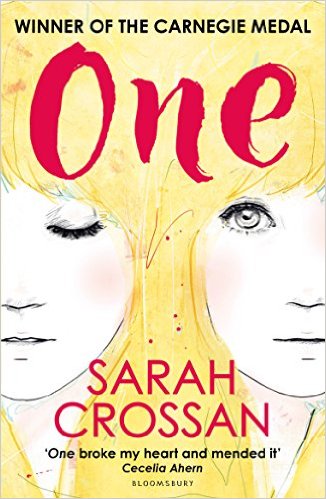
Book Review – One by Sarah Crossan

One

blue5 (2)

Grace and Tippi. Tippi and Grace. Two sisters. Two hearts. Two dreams. Two lives. But one body.

Grace and Tippi are conjoined twins, joined at the waist, defying the odds of survival for sixteen years. They share everything, and they are everything to each other. They would never imagine being apart. For them, that would be the real tragedy.

But something is happening to them. Something they hoped would never happen. And Grace doesn’t want to admit it. Not even to Tippi.

How long can they hide from the truth—how long before they must face the most impossible choice of their lives?

One is a beautiful story about 16-year-old conjoined twins, Grace and Tippi, that really got me to thinking about a way of life completely different to anything I am used to. It is a story that reveals what it means to have a soul mate – albeit not in the traditional sense of the word. The entire novel is written in beautiful, flowing verse that had me in tears and it will remain one of the most poignant stories that I have read this year.

Tippi and Grace have been by each other’s side since birth. They are conjoined from the waist down, and have lived their entire lives sharing every single moment. Having always been home-schooled, they now must attend the local private high school as juniors and face the possibility this brings of staring, disgust, ridicule and judgement.

However, they grow to enjoy normal school life more than they expected, and even make some friends. They smoke, they drink, they go on a road trip – they experience the normal teenage life they have never had the freedom to live before. The normal complications of love, boys, privacy, family drama and angst are discovered through a totally new perspective. When Grace’s health worsens and becomes life-threatening, the twins have to decide whether they wish to be separated for the first time in their lives – the outcome of which will bring a series of devastating physical, emotional and psychological impacts.

I have never read a YA book like this – it was incredibly life-affirming and powerful. I felt that it was extremely clever for Sarah Crossan to write the twin’s tale in verse, because she showed that a story can be deeply moving and hard-hitting, with just a few words. The use of verse also made the novel incredibly easy and free-flowing to read – I finished it in one sitting; in a matter of hours and I found that the words just swept you up completely in their stark, simple poetry. This way of writing created a distinctive and magically profound voice that I feel would have been impossible to replicate with normal prose.

I also found it interesting that the author chose to pen the story through only Grace’s perspective, rather than both the twins. Tippi tended to control all situations and decisions so it was effective to read the story from the shyer and less-dominant twin’s viewpoint.

In summary, Crossan has achieved a powerful, heartfelt, and deeply moving novel that explores the true meaning of the word sisters. The enormous amount of research into conjoined twins was apparent and it read as factually accurate, but also emotionally hard-hitting. It was amazing to read something that perhaps I wouldn’t normally pick up. It is the first time I have read a novel written in verse, and I am glad to say it worked perfectly. I think the writing structure contributed greatly to the meaning and significance of the story. Grace and Tippi’s is an emotionally deep tale that is all at once lovely, shocking and utterly heartbreaking.

One is like nothing I have ever read before, and is a unique and poignant exploration of friendship, sisterhood, strength, soul-mates and love.

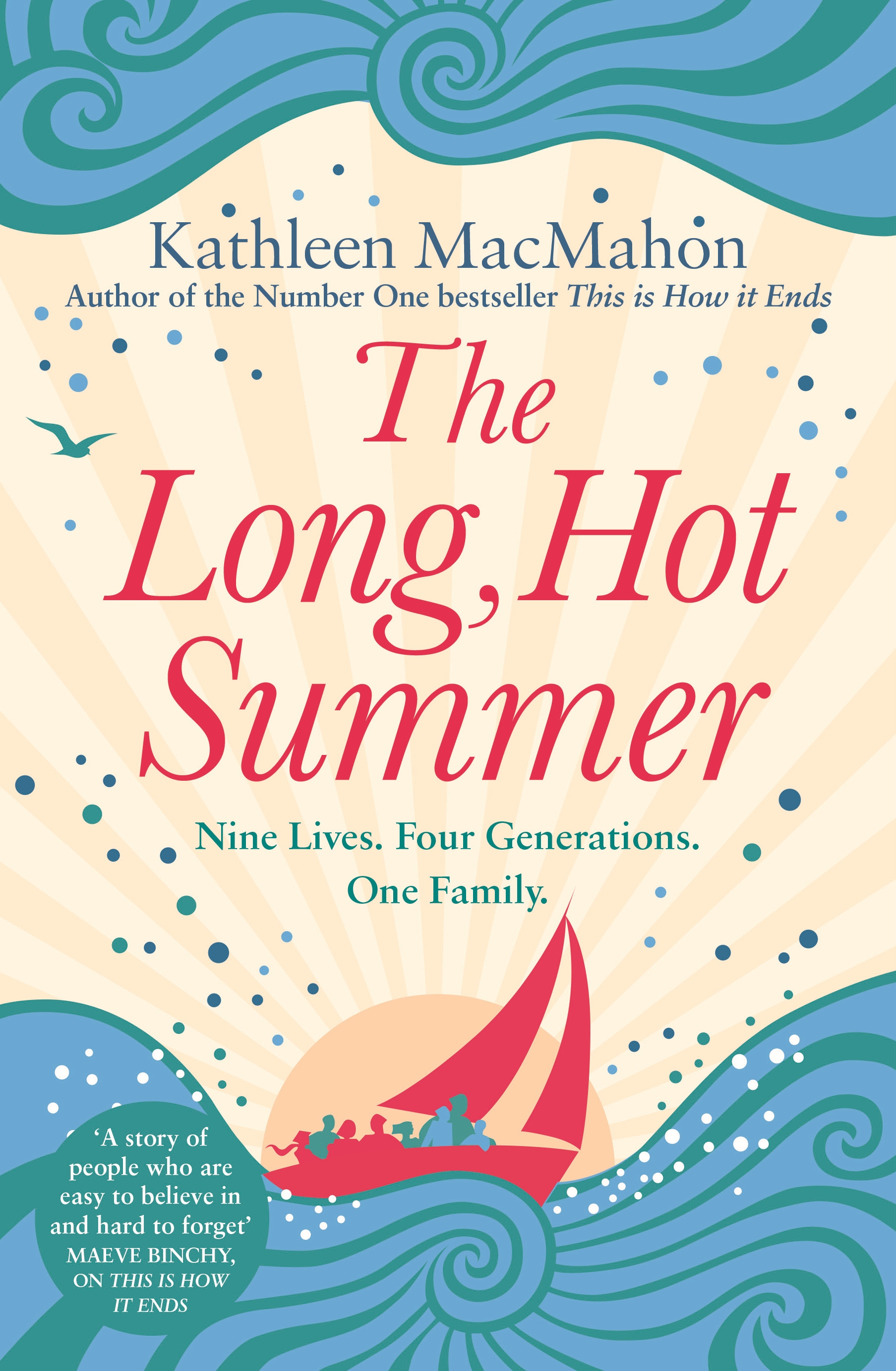
Book Review – The Long, Hot Summer by Kathleen MacMahon

The Long, Hot SummerNine Lives. Four Generations. One Family. The MacEntees are no ordinary family.
Determined to be different from other people, they have carved out a place for themselves in Irish life by the sheer force of their personalities. But when a series of misfortunes befall them over the course of one long hot summer, even the MacEntees will struggle to make sense of who they are.
As media storms rage about them and secrets rise to the surface, Deirdre plans a family party for her 80th birthday-and with it one final, shocking surprise.
 

blue5 (2)

‘Relationships between men and women are about power. It’s all about the balance of power, and if you can’t get that right, then it’s a fight to the death.’

The Long, Hot Summer is an insightful, poignant and funny novel about the intricacies of real life. It covers everything from abortion, to adult relationships, mother-daughter complexities, theft, to politics, childhood, and how our experiences truly do shape us.

I loved MacMahon’s writing style – it is easy flowing and swallows you up whole. She has a real talent for writing descriptive prose, and it was so enjoyable to read, that I found I could not stop reading it. When I wasn’t reading it, I was thinking about the characters, and their lives, and their individual stories. The author has a great ability to humanise even the coldest, and most unfeeling characters; I wanted to sit down and interview each of them!

The novel as a whole was incredibly insightful; MacMahon’s perceptions of the everyday are funny, poignant and sometimes, cynical. Each character experienced some sadness, and MacMahon’s interpretation of their experiences invoked a strong feeling of loneliness, yet there were other moments that were surprisingly life-affirming. I felt that she added unexpected insights into extremely normal topics, such as marriage, families, politics, etc. that I hadn’t really thought of before. I particularly loved that the strongest characters are revealed to be the most vulnerable.

The characterisations are great, and although none of them are really likeable, you find yourself warming to them. I loved Alma and Mick particularly – their stubbornness, but also their small, unspoken weaknesses that made them so real. The tragedy that strikes Alma changes her immensely and it was so intriguing to see how her character develops through this. Mick’s storyline was also great, and very, very funny – his mild kleptomania with the crippling consequences, and the fact that he is constantly compared to his brother, was amusing and revealing. I felt that perhaps he was the kindest character, and I liked him the most.

All the characters felt real, in some way, to me. They were very relatable in many different ways and had very humanistic flaws and weaknesses. There was no perfect protagonist, and I think this was why the story worked so exceptionally well. The novel split itself between the family, going from one point of view to another. I loved the structure of the story, written around all the different characters in the same family, all extremely unique, all on very different journeys, but somehow all also meeting up at one important moment in their lives.

I felt that this novel had great depth; it is a strong tale that weaves together the individual stories of many. It was compelling, moving, insightful and funny. The incredible character-based narratives are told with wit, and astute observation, and MacMahon has a great talent for putting normal relationships under the microscope and making warm, funny, and very, very truthful observations. The Long, Hot Summer is the perfect read for fans of family sagas, and Irish writers such as Marian Keyes and Maeve Binchy.

Thank you to Little, Brown for the opportunity to review this title!

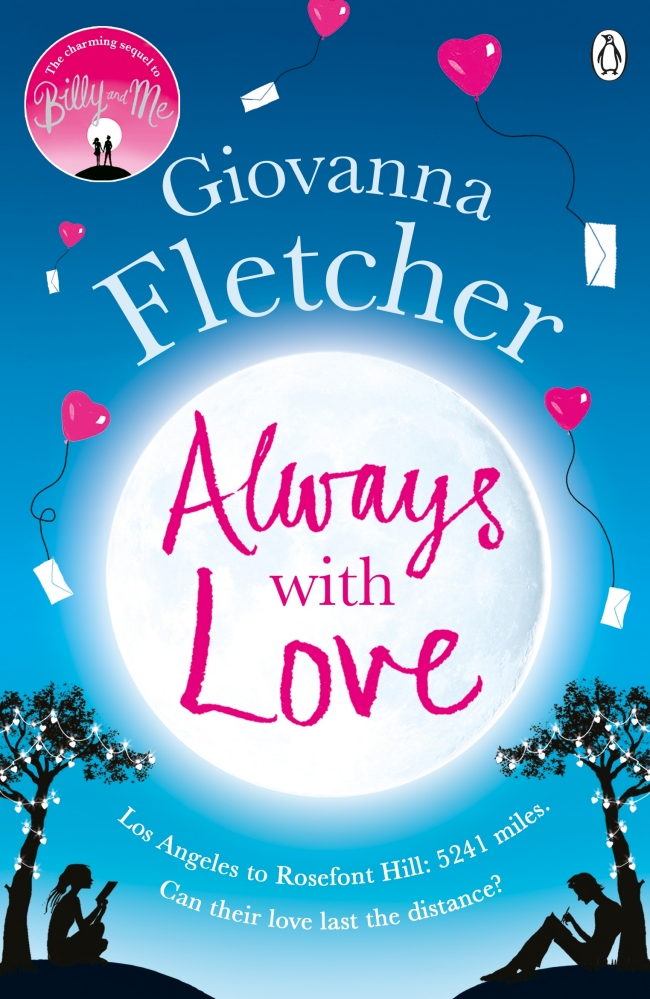
Book Review – Always With Love by Giovanna Fletcher


ALways with love

four stars

Sophie’s got used to being the girlfriend of Billy Buskin, the biggest movie star in the world. Sort of.

But when she and Billy take a trip to visit his family in Los Angeles, she quickly discovers she’s totally unprepared for the chaos of Hollywood, the paparazzi and Billy’s controlling mother. And when Billy extends his stay in LA, leaving Sophie to fly home to Rosefont Hill alone, it seems there’s more than just miles between them.

Now Sophie must decide if they can overcome their differences for good. Because not every love story lasts the distance . . .

I received this book for free from the publisher via Netgalley. Thanks to Penguin and Michael Joseph for allowing me to review this title!

Always With Love is Giovanna Fletcher’s fourth novel, and like all her others, it was heartwarming, light and lovely. It was delightful to hear more about Sophie and Billy, but I believe it would have been just as good a read even if I hadn’t read her first book, Billy and Me.

Sophie is a great protagonist, with real life vulnerabilities and worries, and this really helps the reader to relate to her. I love the fact that she is so down to earth, and that she helps Billy to stay grounded. The contrasts between his life in LA and her life in the picturesque and homely Rosefont Hill, was a wonderful addition to the story, and I was never quite sure whether he would choose to lose himself to that lifestyle, or return home to Sophie. The conflict and questions that this created was what kept me reading to the end. I found myself really rooting for their relationship from the very beginning! At one point, I wasn’t sure if they would make it, and Giovanna cleverly keeps up this guessing game until the last chapter.

My favourite aspect of the story was Rosefont Hill. The imagery was idyllic and the setting just perfect – I would love to live in a village like this. Reading about Sophie’s life in Rosefont Hill, and her contentment to settle for a humble and un-glamourous living was so relatable for me; I really warmed to her, much more so than in the first book. I feel like her characterisation was well thought out and she developed into a more independent woman as the story progressed. Her situation of struggling in a long-distance relationship struck a chord with me and I feel that Giovanna was extremely successful in portraying the realistic ups and downs of this kind of relationship.

The only thing that brought this book down to four stars, for me, was the awful cliché that men and woman can’t be just friends. I didn’t understand what this added to the story. It was unneeded and the book would have been so much better without it. I felt that it was added in superficially to make it more interesting, but it didn’t really work. Luckily, it didn’t really take up too much of the plot and I was still able to really appreciate the novel as a whole.

Giovanna injects pure warmth and love into her writing, you can literally feel it pouring out of the pages as you read. Her stories make you warm and fuzzy inside – especially the descriptions of Rosefont Hill with it’s gorgeous little tea shop and small-town lifestyle. Sophie’s romance with Billy is also super sweet and spine-tingling. He has definitely become one of my favourite fictional heart throbs!

Overall, I really enjoyed reading Always With Love. It was heartwarming, funny and sweet. It was a charming story about real life relationships, the struggles of love, and the very important fact that home really is where the heart is.

Book Review – The One We Fell in Love With

the-one-we-fell-in-love-with-9781471138430_hr

blue5 (2)

Phoebe is caught between a rock and a hard place. Settle down and get married, or return to the French Alps to pursue her passion?

Eliza is in love with someone who is no longer hers. In fact, he probably never was… And her dream of becoming a musician seems to be spiralling down the drain.

Rose is out of a job and out of a boyfriend. To make matters worse, she’s been forced to move back in with her mother…

But these very different girls have one thing in common. Angus. The one they fell in love with…

I am a huge Paige Toon fan, and have been ever since reading her first release, Lucy in the Sky, back in 2007. Her books are often heart-warming, tear-jerking and poignant, and full of lovable and relatable characters. The One We Fell in Love With is no different – it might just be her best book yet.

Gosh, this book was just lovely, lovely, lovely. The story was addictive and easy to read, and I devoured it in one sitting. I couldn’t put it down for anything – I stayed in the same armchair all day, my eyes glued to the pages!

The story arc was perfectly choreographed. In my eyes, it was the most original novel Paige has written so far. It was so intriguing to read about triplets, and I was fascinated from the very first page. It was the first time that Paige has written from multiple viewpoints, and it worked amazingly. Each triplet had very unique personalities and their individual characterisation was extremely well distinguished.

I felt fully invested in the characters – especially Rose. I related to her so much. She is smart, sensible and wary and so much like me, I loved reading about her! Eliza and Phoebe were great too and the way their relationship dynamics were portrayed was clever and thought-provoking.

As usual, some of our favourite Paige Toon characters made an appearance, and it was lovely to have the inclusion of Lucy and Nathan in the end scene! Lucy in the Sky has always been my favourite – and Paige’s scene setting of Australia is always spot-on. She makes you long for the beautiful beaches and balmy weather. I also loved the descriptions of the French Alps and especially Jennifer’s Bakery that Rose works in – Paige never fails in her ability to vividly depict a scene!

This book had me thinking long after I’d turned the last page. I felt it was more emotionally mature than her previous novels, and I loved the family values that are built up and become prominent in the end chapter. The events throughout were emotional, and provoked many tears! I feel that Rose, Eliza and Phoebe’s lives were illustrated perfectly through Paige’s genius writing lens.

The One We Fell in Love With was heart-warming, uplifting, bittersweet, but charmingly happy too. I finished the book, and closed my eyes, just savouring that precious feeling you get after spending several hours lost in the midst of a story. Warmth spread through me as I read it – it was a beautiful story about subtle tragedy, love, and the strength of family.

My 3 Favourite Books About Feminism

A Room of One's OwnA Room of One’s Own by Virginia Woolf

‘When, however, one reads of a witch being ducked, of a woman possessed by devils, of a wise woman selling herbs, or even of a very remarkable man who had a mother, then I think we are on the track of a lost novelist, a suppressed poet, of some mute and inglorious Jane Austen, some Emily Bronte who dashed her brains out on the moor or mopped and mowed about the highways crazed with the torture that her gift had put her to. Indeed, I would venture to guess that Anon, who wrote so many poems without signing them, was often a woman.’

Every single woman should read this. I originally read it whilst studying for my Literature degree, and as a writer myself, it struck a chord and her words have stayed with me, always. It is the essence of Virginia Woolf herself, and I turn to it when I feel rejected, downtrodden, or if I begin to doubt that my work is good enough. This is Woolf’s homage to the spirit of heroines in history who may have written poems, novels, plays, stories, songs and ballads but were forced to remain anonymous as it was unacceptable for women to write. What if Shakespeare had an equally talented sister, but she could never have been as successful as Shakespeare himself because she was a woman, and woman were not allowed to write? She ends the essay by urging women and men to pick up their pen and write, and to banish the limits of gender identity and write with an androgynous mind instead.

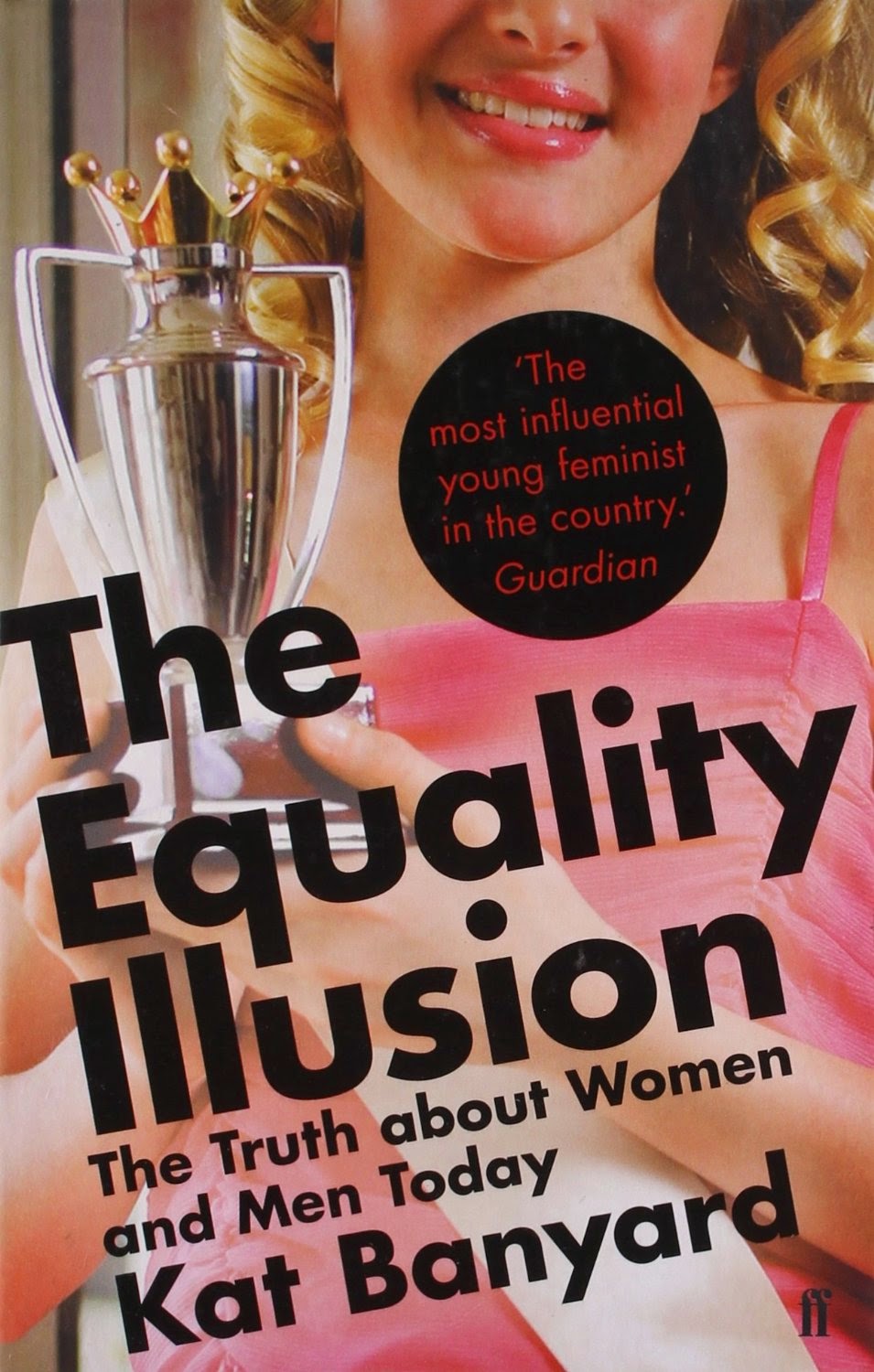
the equality illusionThe Equality Illusion by Kat Banyard

Women have made huge strides in equality over the last century. And feminism is now generally considered irrelevant, or old-fashioned, or even embarrassing. But what about the fact that today women working full-time in the UK are paid on average 17% less an hour than men? That one in three women worldwide has been beaten, coerced into sex, or otherwise abused because of her gender?

This book is a few years old now, but is still one of the best books I’ve read about feminism today and the history of. The statistics and research are solid, and it explores the position of women in the UK in areas such as education, work, domestic violence, body image, sex and abortion rights. It’s entirely relevant and written concisely, cleverly and clearly. It’s a really good read, especially if you’re new to identifying as a feminist. It’s a great starter book and Banyard explains everything from grassroots feminism to current day, and how basically every single area of women’s lives are still affected by casual, deep-seated sexism. It’s the perfect book to get you really thinking about modern day feminism, and makes you realise that sexism is not dead. Banyard describes this idea that sexism no longer exists in our society as the ‘Equality Illusion’. This book is an invaluable feminist manifesto for the women of today.

SIsterhood InterruptedSisterhood Interrupted by Deborah Siegel

Contrary to clichés about the end of feminism, Deborah Siegel argues that younger women are reliving the battles of its past, and reinventing it–with a vengeance. From feminist blogging to the popularity of the WNBA, girl culture is on the rise. A lively and compelling look back at the framing of one of the most contentious social movements of our time, Sisterhood, Interrupted exposes the key issues still at stake, outlining how a twenty-first century feminist can reconcile the personal with the political and combat long-standing inequalities that continue today.

I found this book hugely helpful in sorting out all the confused and conflicting stereotypes I may have absorbed about feminism. It’s a great summary of second and third wave feminism and it gave me the knowledge to confidently explain the history of feminism to those who question the word and what it means. It lays out the history of the movement, covering the important events of the 60’s and 70’s, and continuing to present day. The most important thing I learned from this book is that feminism has never been a single, united force as some believe. It explains the entirety of the issues that have existed within feminism itself – the internal conflict over which fights are worth fighting, the best methods to coerce change, and what feminism actually means. There is no one type of feminism, and it isn’t about one single point of view all women who claim the label ‘feminist’ share. This book really teaches you that there are many different kinds of feminism, and that it’s okay to find your own place within the movement.