

Gather the Daughters by Jennie Melamed follows the lives of four female protagonists – the ‘daughters’ who live on an island, supposedly kept safe from the ‘wasteland’ of the mainland, where a ‘scourge’ has punished the world. The text has strong similarities to Margaret Atwood’s The Handmaid’s Tale – the society follows Our Book, which specifies rules of the society, mostly created to silence and sanction women. They are called the ‘Shalt-Nots’ and consist of ‘thou shalt not touch a daughter who has bled until she enters her summer of fruition’; ‘thou shalt not allow a wife to stray in thought, deed or body’; ‘thou shalt not allow women who are not sister, daughter, or mother to gather without a man to guide them all.’ (20) Unlike Atwood’s tale, though, we’re given barely any information regarding life beyond the island, all being revealed only through the questioning child protagonists. The ‘wanderers’ – the men who hold the highest rank in the community – visit the wastelands across the water regularly, telling tales of a ‘world of fire’, but as the narrative progresses both the reader and the girls have reason to become increasingly distrustful of this. ‘Narrative tension builds as skilful characterisation fills the reader with growing concern for the central voices.’ (Moss, 2017)
As Nick Hubble says, ‘there is discussion as to what is science-fiction about this novel. On the one hand, it looks and feels just like a post-apocalyptic dystopia, but on the other hand, as the reveal at the novel’s end makes clear, it is no such thing.’ (2018) Melamed’s text raises many questions prevalent to the genre of SF – mainly, what is SF? Can it truly be defined? This is emphasised, I think, by Melamed’s almost conscious changing of genre towards the end of the novel. After leading the characters, and hence the readers, towards the belief that this is a dystopian society, we realise it is not. The society is in fact a religious cult, the likes of which perhaps exists in our real world today. This blindness to the truth is something the protagonists in the novel deal with continuously, and as readers, we know only what the young girls know. There is that unavoidable innocence of childhood to believe one’s parents, no matter if common sense points elsewhere – and this is reflected in Vanessa, particularly. ‘Vanessa wonders, as she always does…’ (20) She is the smartest of the island girls, always trying to delve information from the adults about the outside world: ‘The waste – now you know I can’t tell you anything’ Mrs Adams tells her, to which she replies – ‘It can be a secret.’ (155) Despite this, she is the only character who does not join the girls in their rebellion on the beach. She wants, above all, to believe her father is good, even though he is part of the problem, the gang of ‘wanderers’, and rapes her repeatedly. ‘Who is my little wife?’ asks Father in a sweet tone. ‘I am,’ whispers Vanessa. (211) There is a strange, jarring tenderness to this exchange that feels intrinsically wrong to the reader but suggests that the author is attempting to redeem the father. He is consistently portrayed as a better person that the other fathers – but this clashes with the actions he commits. The depth in which Melamed raises questions about horrifyingly real issues rejects the post-apocalyptic story arc and directs us, as readers, back to the intricacies of our own world.
Further to this, just like in The Handmaid’s Tale, the women live in a society which is attempting, at all turns, to silence them. ‘Their behaviour and values are circumscribed.’ (Jones, 1991) And as de Beauvoir writes, women are ‘defined and differentiated with reference to man and not he with reference to her; she is the incidental, the inessential as opposed to the essential. He is the subject, he is the Absolute – she is the Other’, and, ‘subjected to doom.’ (1949) This ‘doom’ is prevalent throughout Melamed’s text: when Janey is whipped for speaking out, Rosie is murdered to protect her, Caitlyn is abused by her father, even more so that the other girls, with no interference from knowing outsiders, and the ongoing fear that perpetrates their daily lives. The author’s gender influences in her own world very consciously affect the work, which is typical of dystopian authors and their subjects: using fantasy to analyse the real. ‘My professor discussed a South Pacific society where fathers were expected to have intercourse with their daughters, to ‘prepare them for their husbands.’ (Melamed, 2017) Despite what Eskeridge writes: ‘I despise conscious theme. It subverts story.’ (Mendelsohn, 2012), the author’s intention to write a novel discussing such prevalent fears and themes – overpopulation, sexual abuse and reproductive rights – are explored in much the same way as her predecessors within the genre of dystopian SF. ‘The central features of dystopia are ever-present – the oppression of the majority by the ruling elite.’ (Clute, 2018)
As previously discussed, there is no clear redemption in this novel. We do not learn whether Vanessa reaches safety, and her father does not leave because he was remorseful about having intercourse with his daughter; he leaves because he is afraid something might happen to her. It goes not excuse or forgive the abuse, but it leaves the reader wondering what the point in all the horror was, if not to reach a resolution. Was it just to comment on the depravation that mankind are capable of? ‘At what point does the depiction of such suffering tip into a pornography of violence?’ (Ditum, 2018) Is there such thing as too much horror in feminist dystopia, and, are we numbing ourselves to the violence against women in these texts? As Sarah Hall writes, there is still a ‘fresh urgency’ to feminist dystopian fiction that feeds a growing thirst for a world that is better than our own. (Thorpe, 2017) Reflecting on past horrors and using a science fiction narrative to do so is an extremely effective way to portray the point.
In summary, I would recommend the novel for an Arthur C Clarke award. Although there are many questions raised in the text that remain unanswered, and the ending is ambiguous, leaving the question open as to whether this novel really is an SF dystopia, Kingsley Amis argues that ‘the dystopian tradition is the most important strand in the tapestry of modern SF.’ (1960) In my opinion, Gather the Daughters is a poignant science-fiction text that cleverly symbolises women’s struggles and their experiences of ‘Other-ness’ in society, bringing to light the horrors of events happening in our real world – something that I believe all science fiction should do. As feminist dystopia, it successfully gives the reader pause to think, and, rightfully, be horrified.
Bibliography
Alderman, Naomi. 2017. Dystopian dreams: how feminist science fiction predicted the future. [Online] Available at: https://www.theguardian.com/books/2017/mar/25/dystopian-dreams-how-feminist-science-fiction-predicted-the-future [Last accessed: 27th August 2018]
Amis, Kingsley. 1960. New Maps of Hell. Penguin, UK.
Anders, Charlie Jane. 2010. How many definitions of science fiction are there? [Online] Available at: https://io9.gizmodo.com/5622186/how-many-defintions-of-science-fiction-are-there [Last accessed: 27th August 2018]
Atwood, Margaret. 1985. The Handmaid’s Tale. O.W. Toad Limited.
Booker, Keith M. and Thomas, Anne-Marie. 2009. The Science Fiction Handbook. John Wiley & Sons.
Claeys, Gregory. 2010. The Cambridge Companion to Utopian Literature. Cambridge University Press.
Clute, John and Nicholls, Peter. 1999. The Encyclopedia of Science Fiction. London: Orbit.
de Beauvoir, Simone. 1949. The Second Sex. Vintage, London.
Delaney, Samuel R. and Cheney, Matthew. 2011. The Jewel-Hinged Jaw: Notes on the Language of Science Fiction. Wesleyan University Press
Ditum, Sarah. 2018. Never-ending nightmare: why feminist dystopias must stop torturing women. [Online] Available at: https://www.theguardian.com/books/2018/may/12/why-the-handmaids-tale-marks-a-new-chapter-in-feminist-dystopias [Last accessed: 26th August 2018]
Gailey, Sarah. 2016. Do Better: Sexual Violence in SFF. [Online] Available at: https://www.tor.com/2016/08/22/do-better-sexual-violence-in-sff/ [Last accessed: 27th August 2018]
Gunn, James and Candelaria, Matthew. 2014. Speculations on Speculation. [Online] Available at: http://www.sfcenter.ku.edu/Speculations.htm [Last accessed: 27th August 2018]
Hubble, Nick. 2018. Panel Review: Gather the Daughters by Jennie Melamed. [Online] https://csff-anglia.co.uk/clarke-shadow-jury/shadow-jury-2018/panel-review-gather-the-daughters-by-jennie-melamed/ [Last accessed: 24th August 2018]
Jarvis, Claire. 2017. The Latest, Troubling Chapter in Feminist Dystopian Fiction. [Online] Available at: https://www.nytimes.com/2017/10/13/books/review/gather-the-daughters-jennie-melamed.html [Last accessed: 26th August 2018]
Jones, Libby Falk. 1991. Breaking Silences In Feminist Dystopias in Utopian Studies, No. 3. pp. 7 – 11. Penn State University Press.
Little, Judith A. 2007. Feminist philosophy and science fiction: utopias and dystopias. Prometheus Books.
Melamed, Jennie. 2017. Gather the Daughters. Tinder Press, London.
Melamed, Jennie. 2017. Exploring a Cultish Culture: the behind-the-book story of Gather the Daughters. [Online]Available at: https://medium.com/galleys/exploring-a-cultish-culture-the-behind-the-book-story-of-gather-the-daughters-by-jennie-melamed-a83c0540eaa9 [Last accessed: 27th August 2018]
Mendlesohn, Farah. 2012. The Cambridge Companion to Fantasy Literature. Cambridge University Press.
Merrick, Helen and Williams, Tess. 1999. Women of Other Worlds: Excursions Through Science Fiction and Feminism. University of Western Australia Press.
Michaud, Jon. 2017. A Haunting Story of Sexual Assault and Climate Catastrophe, Decades Ahead of Its Time. [Online] Available at: https://www.newyorker.com/books/second-read/a-haunting-story-of-sexual-assault-and-climate-catastrophe-decades-ahead-of-its-time [Last accessed: 27th August 2018]
Moss, Sarah. 2017. Gather the Daughters by Jennie Melamed review – a misogynist dystopia. [Online] Available at: http://www.sf-encyclopedia.com/entry/dystopias [Last accessed: 27th August 2018]
Moylan, Tom. 2003. Dark Horizons: Science Fiction and the Dystopian Imagination. Routledge.
Penley, Constance. 1991. Close Encounters: Film, Feminism, and Science Fiction. University of Minnesota Press.
Thorpe, Vanessa. 2017. What lies beneath the brave new world of feminist dystopian sci-fi? [Online] Available at: https://www.theguardian.com/books/2017/jun/24/feminist-dystopian-sci-fi-naomi-alderman-handmaids-tale [Last accessed: 22nd August 2018]
2018. The Encyclopedia of Science Fiction. [Online] http://www.sf-encyclopedia.com/entry/dystopias [Last accessed: 24th August 2018]


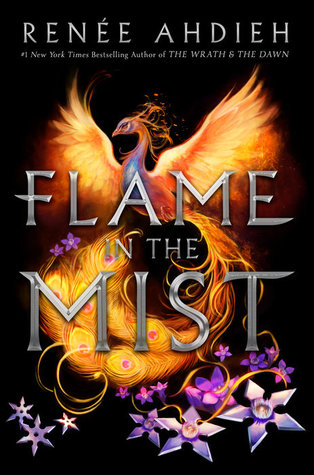 The only daughter of a prominent samurai, Mariko has always known she’d been raised for one purpose and one purpose only: to marry. Never mind her cunning, which rivals that of her twin brother, Kenshin, or her skills as an accomplished alchemist. Since Mariko was not born a boy, her fate was sealed the moment she drew her first breath.

 orphan and junior librarian, has always feared that his dream chose poorly. Since he was five years old he’s been obsessed with the mythic lost city of Weep, but it would take someone bolder than he to cross half the world in search of it. Then a stunning opportunity presents itself, in the person of a hero called the Godslayer and a band of legendary warriors, and he has to seize his chance to lose his dream forever.
 The Muse by Jessie Burton
 Carry On by Rainbow Rowell
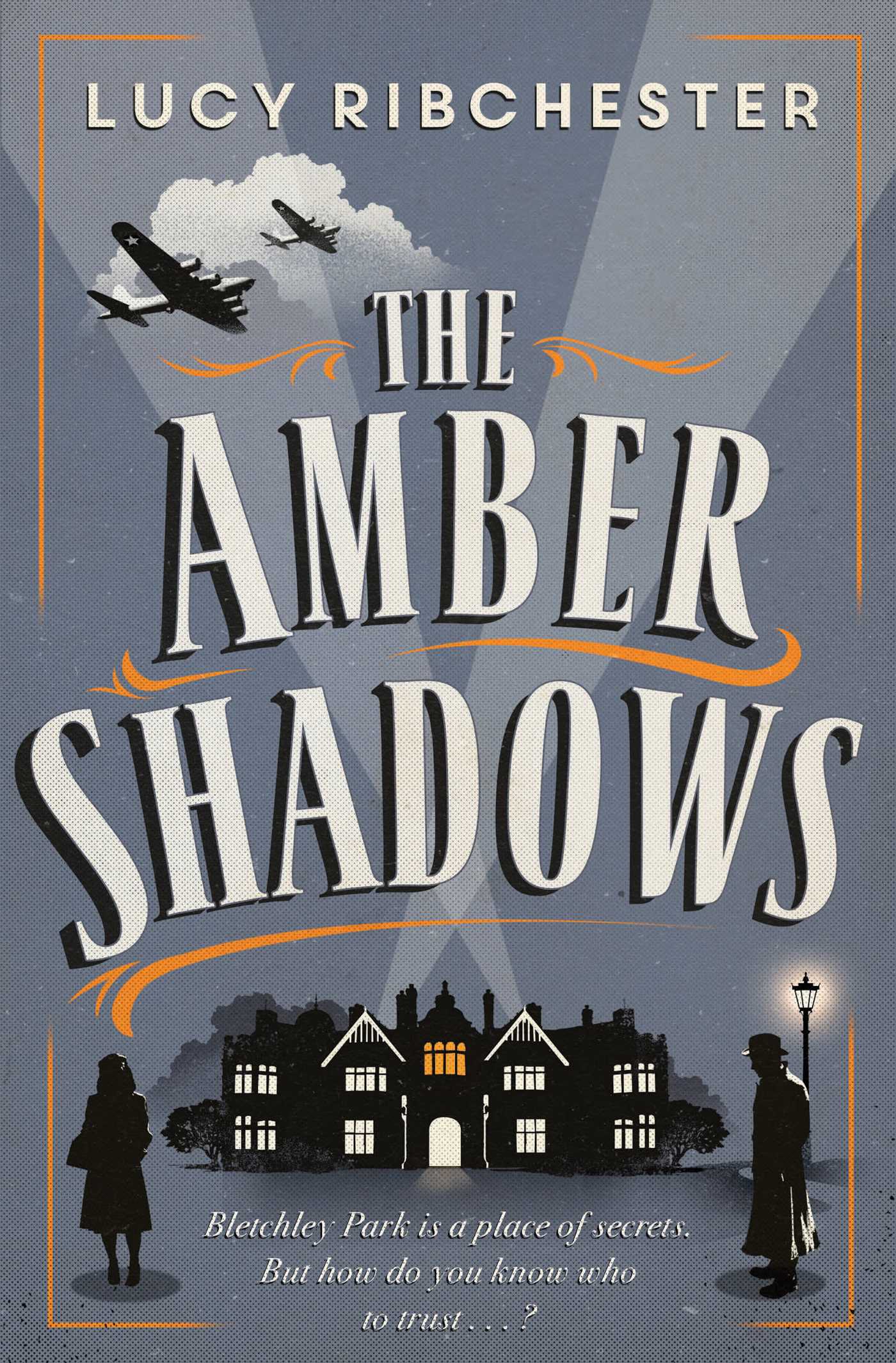 The Amber Shadows by Lucy Ribchester
 Aristotle and Dante Discover the Secrets of the Universe by Benjamin Alire Sáenz



 Fiona Reads